A sash is the frame that holds the glass panes in a window. In a sash window, typically two sashes slide up and down past each other in vertical grooves to open and close. The upper sash sits behind the lower one when fully closed. Understanding this simple design helps you spot when your windows need repair or replacement.
How does a sash window work?
A sash window has two frames, or sashes, that slide vertically. The lower sash moves up to open the window, and the upper sash can slide down. Weights or springs hidden in the frame sides balance each sash so it stays open without you having to prop it. The sashes run in timber or metal grooves called stiles, with seals that stop draughts.
What parts make up a sash?
Each sash is a frame made of timber or metal around the glass panes. The vertical pieces are called stiles, the horizontal pieces rails. The glass itself sits in a timber or metal beading that holds it firmly. Between the two sashes sits a bar called the meeting rail, which is where they overlap when closed.
What signs show a sash window needs repair?
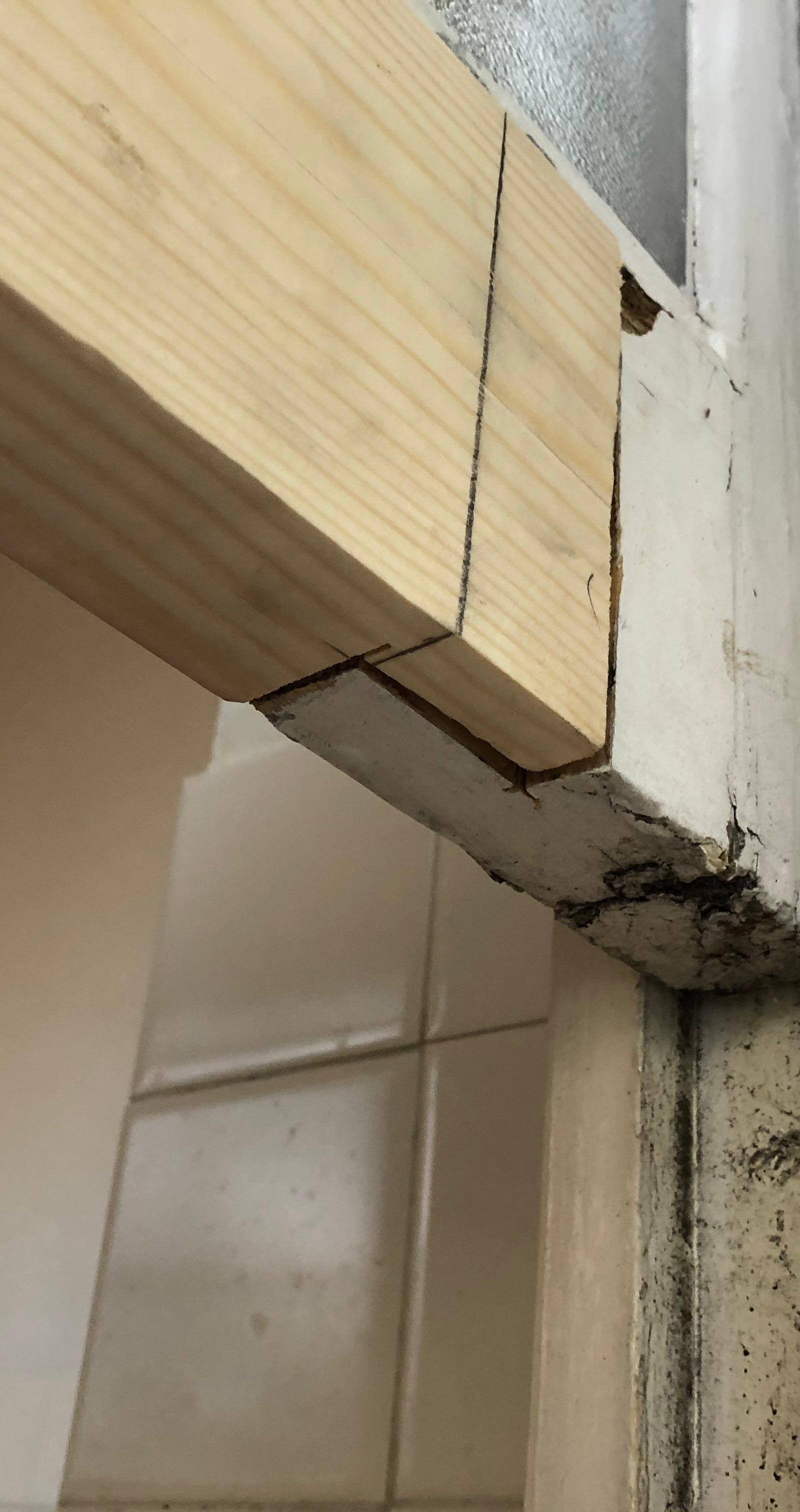
Look for sashes that stick or drop, gaps you can feel draughts through, or visible rot in the timber. If paint is peeling or the sash is hard to move, that usually means moisture has got in. Listen for rattles when the wind blows, that often means the beading has loosened and the glass is moving. Check the sills for soft spots or discolouration, which can mean water damage underneath.
When should you call a professional?
If your sashes stick only in cold weather, it may be a simple matter of easing them. But if they drop, rattle, or you see rot, that needs assessment by a tradesperson who knows sash windows. The longer you leave damage, especially rot, the more costly the repair becomes. A good tradesperson can spot whether a sash can be repaired or needs full replacement, which depends on the age of the window, how much damage there is, and your budget.