uPVC sash window costs depend on the size of your window, whether it needs full replacement or repair, and what damage it has. A rough price range exists, but your actual cost is set by these three things. The best way to get a real figure for your house is to measure your window and describe its condition.
What moves the price up and down?
Three things set the cost of a uPVC sash window: how big it is, whether you are replacing the whole thing or repairing it, and what damage it has. A small sash in good repair costs less than a large one with rot or broken cords. If the frame is sound but the sash sticks or the weights have failed, repair is cheaper than replacement. If the frame itself has rotted, replacement is the only answer.
Labour time matters too. A straightforward replacement of a standard size takes less time than a window with a tight fit or one that sits in a listed building where planning approval is needed. If your window is in an unusual size or a period property, costs rise. A careful tradesperson will give you a separate figure for removal and disposal of the old window, the new installation, and any making good of the wall or decoration that follows.
How do you tell whether your window needs repair or replacement?
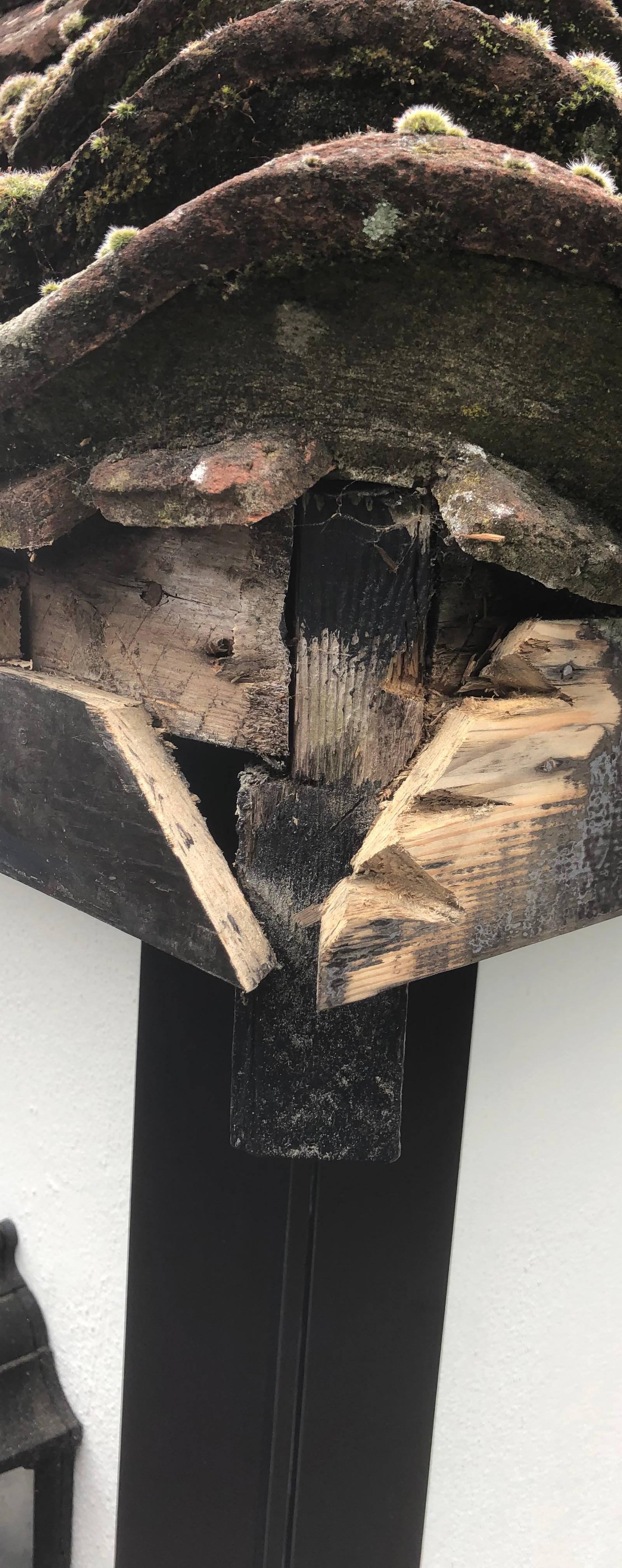
A sash that sticks, rattles or will not stay open usually means the sash itself or the sash cord needs attention. Rot in the frame is a bigger problem. Press a screwdriver gently into the wood at the corner of the frame. If it sinks in, the timber has rotted and the whole window needs to come out and be replaced. If it does not, the frame is sound and repair is possible.
Broken or loose weights inside the sash make the window hard to move. Rot that goes deep into the frame wood, broken panes, or a frame that has moved so far that the sash will not fit means replacement. A good tradesperson will inspect the window properly before quoting, so you know which way to go. Ask them to show you where the problem is and why it means repair or replacement.
Why does size matter so much?
A larger window needs more timber, more glass and more labour to fit. A small bedroom sash costs less than a tall sash in a period home or a bay window made up of three or more sashes. The depth of the reveal, how far the window sits back into the wall, and whether the frame needs to be rebuilt also change the time the job takes. A shallow, standard reveal is quicker and cheaper than a deep one or an unusual shape.
This is why a real quote depends on your exact window. Measure from the outside edge of the frame to the outside edge on the other side, both width and height. Note whether the frame is in good condition, and whether the sash moves freely or is stuck. These details let a tradesperson give you a price that reflects your actual job, not a guesswork figure.
What else should you ask about in a quote?
A full quote should separate the cost of the window itself, the labour to remove and install it, and any work needed to make good the wall, sill or decoration. Ask whether the price covers removal of the old window and disposal, or whether that is extra. Check whether it includes new hardware like handles and locks, or whether they cost more. A careful business will set out each part so you see where your money goes.
Ask whether the quote assumes the reveal is a standard depth, and what it will cost if yours is deeper or shallower. Ask how long the job takes and whether that means you need to arrange access for two days or just one. If your house is listed or in a conservation area, ask whether planning approval is needed and who will handle that. The more you know upfront, the less the price moves when the work starts.
How do you get an accurate figure for your windows?
Measure each window width and height from outside edge to outside edge. Take a photo of the frame and sash, and note whether it sticks, rattles, or has visible rot or damage. Write down roughly how old the window is if you know it. A tradesperson with a configurator on their website can use these details to give you an estimated price. If the estimate matches what you have found, that price is likely to hold when they visit and measure properly.
The most honest way is to describe your situation accurately and ask for a quote. A good tradesperson will come and measure, check the frame condition, and give you a price that reflects what they actually find. If what you selected on their website was right, that price basically will not change. If something unexpected turns up, rot you could not see, or a frame that needs more work than expected, they should tell you and explain the extra cost before they start.